How to Improve Your Google Ranking
Posted on
- 14 March 2026
Rank Higher On Google
Most businesses we talk to have been told SEO is just about keywords and backlinks. Pick the right words, get some links, wait. That version of SEO stopped being accurate about five years ago. The sites ranking at the top today are there because of a combination of things done consistently over time. Here is what those things actually are.
Fix What Is Already Broken Before You Do Anything Else
This is where we start with every new client and it surprises most of them. Before adding content or chasing links, we go through the site looking for what is already dragging it down. Slow load times. Broken internal links. Pages that are near identical to each other. Thin content that covers a topic so briefly it is doing more harm than good.
Google Search Console will show you which pages have indexing errors, which keywords you are almost ranking for and where your traffic is actually coming from. Most business owners have never properly looked at it. That audit is where meaningful SEO work begins. If you want to know the best things to optimise when starting SEO, getting these fundamentals sorted is always step one.
Page speed is a confirmed ranking factor through Core Web Vitals. If your site takes more than 3 seconds to load on mobile you are already behind most of your competitors. Run it through Google PageSpeed Insights. The report is free and the recommendations are specific.
Go After Keywords You Can Actually Win
Publishing content for the sake of it does not work. Creating content just for the sake of creating content is one of the most common SEO mistakes we come across. Every piece needs a target keyword, a clear purpose and enough depth to be genuinely useful to the person reading it.
Look at the top five results for the keyword you are targeting. What do they cover? What have they missed? What question does the searcher probably still have after reading them? That gap is where you write. Not longer for the sake of word count. Actually more useful.
Updating old content matters as much as publishing new content. A blog post from three years ago with outdated statistics will gradually lose rankings. Going back through existing posts and bringing them up to date is often faster and more effective than starting from scratch.
Google is also getting better at detecting AI generated content that has not been properly reviewed. Removing AI content has been shown to improve SEO rankings for sites that had relied on it heavily. If you are using AI to help write, treat the output as a starting point and rewrite it properly before publishing.
Backlinks Done Right
A single link from a well known Australian publication is worth more than 300 links from directories nobody visits. This is how Google values authority. But because directory links are cheap to buy, a lot of businesses end up with the wrong kind of link profile.
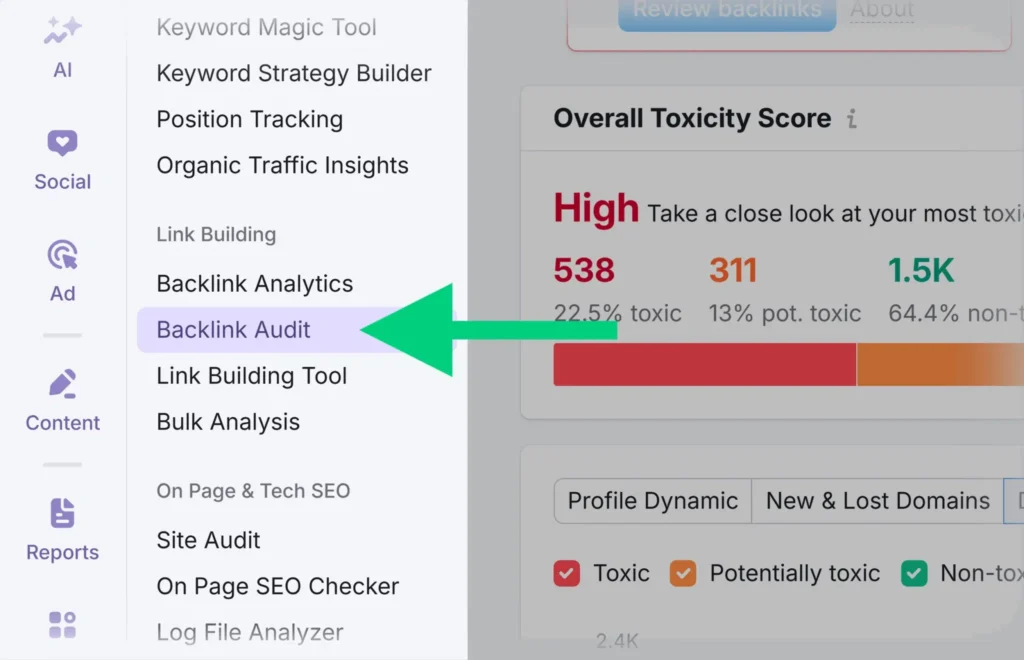
The backlinks worth earning come from creating things people genuinely want to reference. Original research. A detailed guide that does not exist anywhere else. Guest posts on publications your customers actually read. These take more effort but they compound over time in a way that purchased links never do. Buying links is not worth the risk. A manual penalty can set a site back by 12 months or more.
Local SEO Is Its Own Discipline
If you serve customers in a specific area, local search is a different game to national organic rankings. The map pack (the three businesses above organic results for local searches) is often the most valuable real estate on the page and most businesses are not actively working to appear there.
Your Google Business Profile needs to be fully completed, regularly updated and consistent with the name, address and phone number on your website. Reviews matter. Responding to them matters. The businesses that maintain their profiles consistently hold the top local positions. A dedicated local seo company strategy goes deeper than just the profile. It involves citation consistency, suburb specific content and technical work most business owners do not know exists.
For local visibility specifically, our post on how to rank on Google Maps covers the full process.
On-Page SEO: The Non-Negotiables
These are some of the basics, and we bet your digital marketing company has overlooked this! Every page you want to rank needs a clear primary keyword, a title tag that gives someone a reason to click, a meta description written like an ad and a clean URL. These are not advanced tactics. They are the minimum. If your pages are missing them, fix them first.
Internal linking is consistently under-done. When you publish a new blog post, link to it from your relevant service pages and from older related posts. When you add a service page, link to it from your homepage and from content that mentions that topic. It passes authority between pages and keeps visitors on your site longer. Both help rankings.
For ecommerce sites the work is more involved. Shopify seo and ecommerce seo marketing require specific work around category pages, product schema, faceted navigation and duplicate content that does not apply to a service website
How Long Does This Actually Take?
For low competition keywords, 6 to 10 weeks with consistent work. For competitive national terms, 4 to 12 months. How long SEO really takes is the most common question we get and the answer always depends on your starting point and your market.
The businesses that win at SEO treat it as ongoing rather than a one-off. A website needs regular content, fresh updates and ongoing technical maintenance to hold and improve its rankings.
We run google ads management alongside SEO for most clients because it means leads are coming in while organic rankings build. The two channels work better together than either does alone. We do not lock clients into contracts. If the work is not producing results, you should be able to walk away.
Before hiring anyone, it is worth reading about why you should never pay for cheap SEO. The short term savings usually cost more to fix than the original problem.
FAQs on imporving your rankings on Google
How long does it take to see results from SEO?
For low competition keywords, 6 to 10 weeks is realistic with consistent effort. For competitive national terms, plan for 4 to 12 months. The timeline depends on your starting point, your industry and how consistently the work is maintained. Anyone promising page 1 rankings in a few weeks for a competitive term is not being straight with you.
Is it better to do SEO myself or hire an agency?
For a simple local niche with low competition, you can manage a lot yourself with the right tools and time invested in learning. For competitive industries, the mistakes made early can cost you 6 to 12 months of ground. A lot of businesses find professional help costs less than fixing a poorly executed DIY approach.
Does blogging help with Google rankings?
Yes, when done properly. Publishing content that targets real search queries, provides genuine value and is well structured builds topical authority across your whole site. Publishing content nobody is searching for does very little. Quality and relevance matter far more than how often you publish.
What is the difference between SEO and Google Ads?
Google Ads gives you paid placement immediately and stops when you stop paying. SEO builds organic rankings that compound over time without ongoing ad spend. Most established businesses use both. Ads deliver leads while organic rankings are building. The two channels support each other well.
Why is my website not ranking even though I have content?
Usually it comes down to technical issues, not enough quality backlinks, or targeting keywords that are too competitive for your current domain authority. Sometimes all three. Why your website is not ranking covers the most common causes in detail. A proper audit is the fastest way to find out what is holding your specific site back.
Does social media help with Google rankings?
Not directly. Social signals are not a confirmed Google ranking factor. What social media does is increase the reach of your content, which can lead to more backlinks, more branded searches and more direct traffic. Those things do influence rankings over time. Think of social as supporting your SEO rather than replacing it.
Want an Honest Look at Where Your Site Stands?
We go through your site properly before recommending anything. No lock-in contract, no sales pitch. Just a clear view of what is working, what is not and what would actually move things forward for your business.
Get in touch with Digital Debut and let us have a conversation.